
 See Our Latest Article on HelloNation
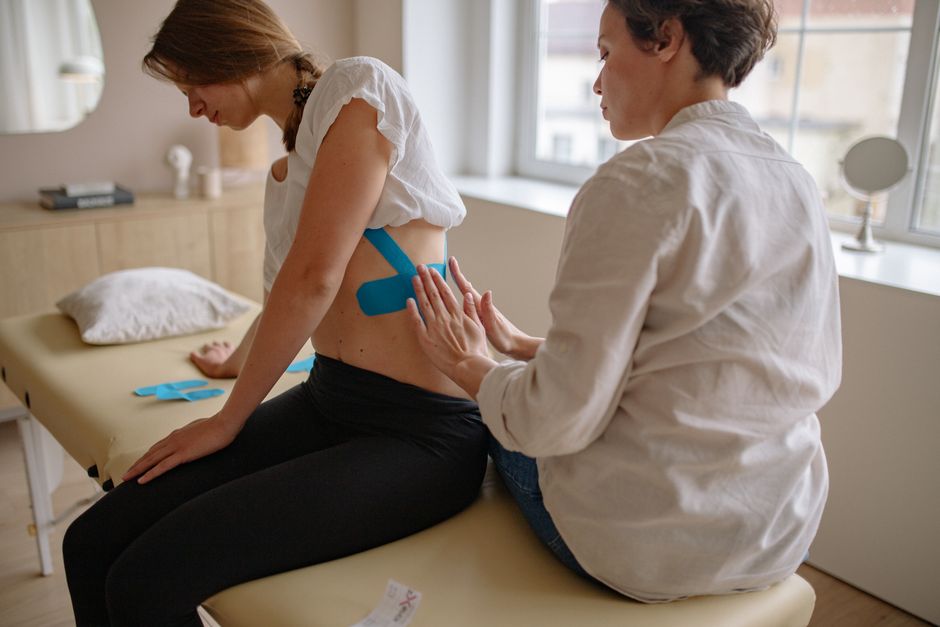
Can chiropractic adjustments help with PMS symptoms?
Possibly, but the evidence is limited and does not show that chiropractic adjustments treat the hormonal causes of premenstrual syndrome. Some people may experience temporary relief from associated muscle tension, low-back discomfort, pelvic-area aching, or stress. However, adjustments should be viewed as a complementary option rather than a primary treatment for PMS.
PMS includes physical, emotional, and behavioral symptoms that occur before menstruation and improve after the period begins. Common symptoms include breast tenderness, bloating, headaches, fatigue, irritability, mood changes, food cravings, and abdominal or lower-back pain.
A small clinical trial found improvement in PMS symptom scores after spinal manipulation and soft-tissue treatment. The study was limited by its small size, and later evidence reviews have described the overall research on spinal manipulation for PMS as uncertain or very low quality. That means an adjustment may help an individual, but there is not strong enough evidence to predict that it will help most people.
What might an adjustment help with?
Chiropractic care is more directly aimed at the muscles, joints, and nervous system than at the menstrual cycle itself. If PMS tends to increase existing back or hip discomfort, gentle manual treatment may reduce some of that musculoskeletal pain for a period of time.
Potential areas of short-term relief may include:
- Lower-back stiffness or aching
- Tension in the hips, pelvis, or surrounding muscles
- Neck and upper-back tightness related to stress
- Reduced comfort with sitting, standing, or sleeping
- General muscle soreness that becomes more noticeable before menstruation
This type of relief is different from correcting a hormone imbalance or stopping PMS. An adjustment does not reliably reduce mood symptoms, breast tenderness, bloating, food cravings, or the underlying hormonal fluctuations associated with the menstrual cycle.
For residents of Beekman, NY, seasonal routines may also affect how symptoms feel. Colder months can lead to less outdoor activity, more time sitting indoors, and increased muscle stiffness. During warmer months, yardwork, hiking, cycling, or other activities may create additional strain in the low back and hips. These factors can overlap with PMS-related discomfort, making it useful to distinguish joint or muscle pain from symptoms that follow the menstrual cycle.
How should chiropractic care fit into PMS management?
A reasonable approach is to combine symptom tracking, regular movement, and evidence-supported medical care. Chiropractic treatment, if used, should address a specific musculoskeletal complaint and be coordinated with the person’s broader health needs.
Keeping a daily symptom record for at least two or three menstrual cycles can help identify patterns. Record:
- The first and last days of menstrual bleeding
- The timing and severity of pain
- Bloating, headaches, breast tenderness, and fatigue
- Mood changes, anxiety, irritability, or difficulty concentrating
- Sleep, exercise, caffeine, alcohol, and major stressors
- Treatments used and whether they helped
PMS is more likely when symptoms repeatedly appear during the five days before menstruation, improve within several days after bleeding begins, and interfere with normal activities. A symptom diary can also reveal whether the main problem is PMS, a separate musculoskeletal condition, or another health issue.
Regular aerobic activity, adequate sleep, balanced meals, and stress-management techniques are commonly recommended for mild to moderate PMS. Brisk walking, swimming, cycling, yoga, breathing exercises, and gentle mobility work may be useful. Exercise throughout the month is generally more helpful than waiting until symptoms become severe.
Are adjustments safe during PMS?
For many healthy adults, spinal manipulation causes only temporary effects such as mild soreness, stiffness, headache, or increased discomfort. These effects commonly resolve within a day. Serious complications are rare, but they have been reported, and risk may be higher for people with certain underlying conditions.
Before treatment, disclose relevant health information, including:
- Pregnancy or possible pregnancy
- Osteoporosis or a history of fractures
- Recent injuries
- Bleeding disorders or use of blood-thinning medication
- Cancer, infection, or inflammatory joint disease
- Numbness, weakness, or changes in bladder or bowel control
- Severe headaches, dizziness, or neurological symptoms
- Recent surgery or significant medical treatment
A person does not need to accept a forceful technique. Mobilization, stretching, soft-tissue work, exercise instruction, or other lower-force approaches may be considered depending on the complaint and health history. Neck manipulation deserves particular caution because rare but serious complications involving blood vessels have been reported.
New or unusual symptoms after treatment—such as severe headache, weakness, numbness, trouble speaking, chest pain, loss of balance, or loss of bladder or bowel control—require urgent medical evaluation.
When should PMS symptoms be evaluated medically?
PMS should not be assumed to explain every recurring symptom. Depression, anxiety disorders, thyroid conditions, irritable bowel syndrome, migraine, endometriosis, perimenopause, and other conditions can overlap with PMS.
Medical evaluation is especially appropriate when symptoms:
- Interfere with work, school, parenting, sleep, or relationships
- Include severe depression, panic, hopelessness, or thoughts of self-harm
- Cause pain that is new, intense, or present throughout the cycle
- Include unusually heavy bleeding, fainting, fever, or persistent pelvic pain
- Do not improve after menstruation begins
- Begin suddenly after a change in medication, contraception, or health status
A more severe condition called premenstrual dysphoric disorder, or PMDD, involves prominent mood symptoms that substantially affect daily life. PMDD may require treatments such as cognitive behavioral therapy, medication, hormonal options, or a combination of approaches. Chiropractic adjustments alone should not be used as a substitute for evaluation or treatment of significant mood symptoms.
What is the practical answer?
Chiropractic adjustments may help some PMS-related back or muscle discomfort, particularly when those symptoms are partly mechanical or worsened by inactivity and tension. Current evidence does not establish adjustments as a reliable treatment for PMS itself, and they are unlikely to address the full range of hormonal, emotional, and systemic symptoms.
The most useful plan is individualized: track symptoms, maintain regular movement and sleep, address pain safely, and seek medical evaluation when symptoms are severe, changing, or disruptive. In the local community, winter inactivity, household routines, commuting, and seasonal physical work may influence muscle pain, but they do not explain away persistent or serious menstrual symptoms.
