
 See Our Latest Article on HelloNation
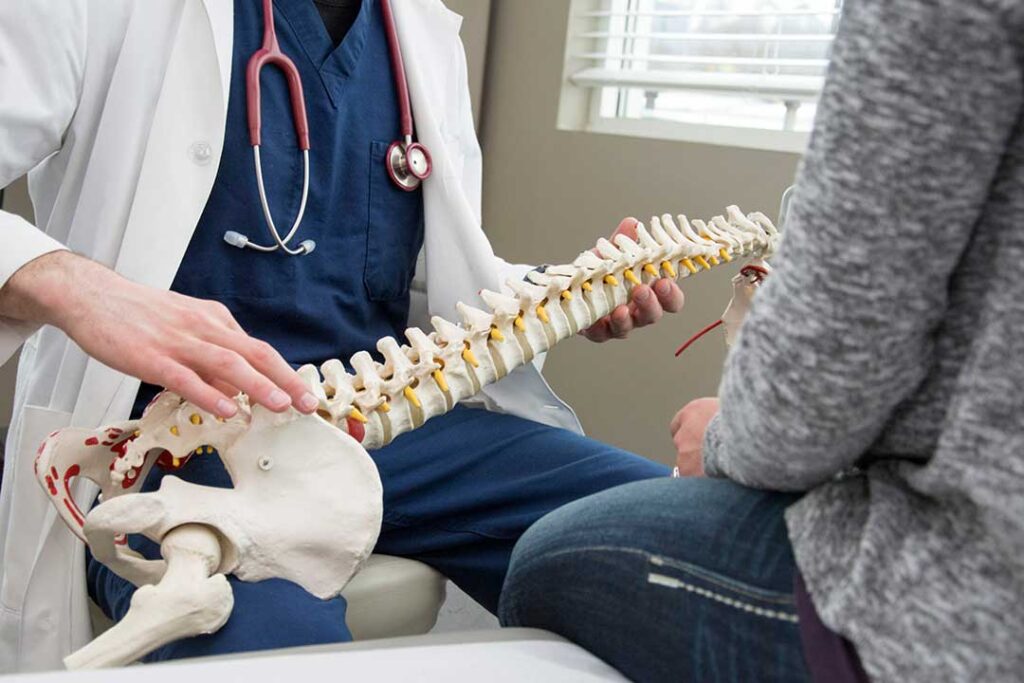
Back pain is common during pregnancy, but severe, persistent, or unusual pain should not be dismissed. For residents of Beekman, NY, safe relief often begins with simple changes to posture, movement, sleep, lifting habits, and daily routines—while staying alert for symptoms that require medical attention.
Why does pregnancy cause back pain?
Pregnancy changes how the body carries weight. As the uterus grows, the center of gravity shifts forward, the abdominal muscles stretch, and the lower back may curve more than usual. Pregnancy hormones also loosen ligaments around the pelvis, which can make the joints feel less stable. These changes may strain the muscles, joints, and supporting tissues of the lower back. ([acog.org](https://www.acog.org/womens-health/faqs/back-pain-during-pregnancy?utm_source=openai))
Pain may be worse after standing, walking, household chores, driving, or caring for older children. Seasonal conditions can add practical challenges in the area, too. Wet leaves, snow, ice, and uneven outdoor surfaces increase the risk of slips, so footwear and careful movement matter more as balance changes.
What can relieve back pain safely at home?
Most pregnancy-related back pain improves with a combination of support and gentle activity rather than prolonged bed rest. Try one change at a time so it is easier to identify what helps.
Improve sitting and standing posture
When standing, keep the chest comfortably lifted, relax the shoulders, and avoid locking the knees. A slightly wider stance can improve balance. If standing for a long period, place one foot on a low step or sturdy object and switch sides periodically. This may reduce strain on the lower back. ([mayoclinic.org](https://www.mayoclinic.org/healthy-lifestyle/pregnancy-week-by-week/in-depth/pregnancy/art-20046080?utm_source=openai))
When sitting, choose a chair with back support. A small cushion behind the lower back may help maintain a comfortable position. Break up long periods of sitting with brief walks or gentle position changes, particularly during car travel or desk work.
Use supportive footwear
Shoes should feel stable, fit properly, and provide cushioning and arch support. High heels can shift the body forward and increase back strain. Very flat, unsupportive footwear may also be uncomfortable for some people. In winter, choose footwear with secure traction and allow extra time on icy walkways rather than rushing.
Lift and turn carefully
To pick something up, move close to the object, bend at the knees, and keep the back as straight as comfortably possible. Lift with the legs rather than bending at the waist. Avoid twisting while carrying. Turn by moving the feet instead of rotating the spine.
Heavy laundry baskets, pet supplies, grocery bags, and wet snow can be awkward or unsafe to lift during pregnancy. Divide loads into smaller amounts, keep objects close to the body, and ask for assistance when something feels too heavy or unstable. ([acog.org](https://www.acog.org/womens-health/faqs/back-pain-during-pregnancy?utm_source=openai))
Is walking or exercise safe for pregnancy back pain?
For many people with uncomplicated pregnancies, gentle activity can reduce discomfort and help maintain the strength needed for posture and daily movement. Walking, swimming, water exercise, and pregnancy-appropriate mobility exercises are commonly used options. Water exercise may feel especially comfortable because the water supports some of the body’s weight. ([acog.org](https://www.acog.org/womens-health/faqs/back-pain-during-pregnancy?utm_source=openai))
If exercise was not part of the routine before pregnancy, begin gradually. A practical approach may be a short, easy walk followed by rest, rather than a long session that increases pain. Use the “talk test”: activity should generally allow conversation without unusual breathlessness.
Stop exercising and contact the obstetric care team for symptoms such as vaginal bleeding, fluid leakage, regular painful contractions, dizziness, chest pain, significant shortness of breath, calf swelling or pain, or weakness affecting balance. ([acog.org](https://www.acog.org/clinical/clinical-guidance/committee-opinion/articles/2020/04/physical-activity-and-exercise-during-pregnancy-and-the-postpartum-period?utm_source=openai))
A gentle hands-and-knees movement may help some people:
- Start with hands under the shoulders and knees under the hips.
- Keep the neck relaxed and the back in a neutral position.
- Slowly draw the abdomen inward and round the back slightly.
- Hold briefly, then return to neutral without forcing the range of motion.
- Stop if the movement causes pain, dizziness, abdominal symptoms, or pelvic pressure.
Exercises should feel controlled, not painful. Pregnancy changes, previous injuries, pelvic girdle pain, or medical complications may require a modified plan.
Can heat, cold, massage, or pillows help?
A low-temperature heating pad, warm water bottle, or warm compress may soothe tight muscles. Keep heat gentle, place a towel between the heat source and skin, and use it for limited periods rather than falling asleep with it in place. Avoid hot tubs and saunas, which can raise core body temperature. Cold packs wrapped in cloth may also help sore areas for short periods. ([acog.org](https://www.acog.org/womens-health/faqs/back-pain-during-pregnancy?utm_source=openai))
For sleep, side-lying with the knees comfortably bent may reduce strain later in pregnancy. A pillow between the knees, another under the abdomen, or a support behind the back can improve alignment. Comfort is the goal; forcing the body into a rigid position can create more tension. ([mayoclinic.org](https://www.mayoclinic.org/healthy-lifestyle/pregnancy-week-by-week/in-depth/pregnancy/art-20046080?utm_source=openai))
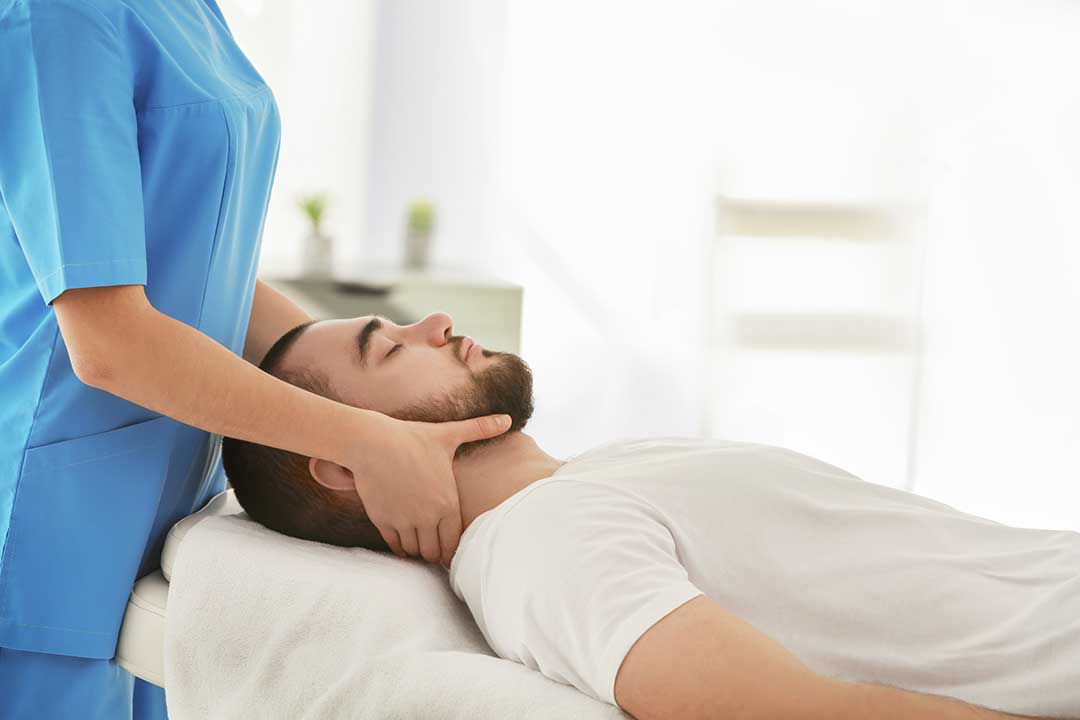
Gentle massage may provide temporary comfort. Avoid deep pressure over painful areas, the abdomen, or regions that are swollen, numb, or unusually sensitive. Anyone considering chiropractic care, acupuncture, a support belt, or another complementary approach should first discuss it with the obstetric care team and clearly disclose the pregnancy. Evidence and suitability vary by person and stage of pregnancy. ([mayoclinic.org](https://www.mayoclinic.org/healthy-lifestyle/pregnancy-week-by-week/in-depth/pregnancy/art-20046080?utm_source=openai))
Which medications are safe?
Do not assume that an over-the-counter pain reliever is safe simply because it is commonly used. Medication choices can depend on the trimester, health history, allergies, other medicines, and pregnancy complications. Ask the obstetric care team or pharmacist before taking acetaminophen or any anti-inflammatory medication. Prescription and nonprescription products should be reviewed together with prenatal supplements and herbal products. ([acog.org](https://www.acog.org/womens-health/faqs/having-a-baby?utm_source=openai))
When is pregnancy back pain a warning sign?
Contact the obstetric care team promptly for severe pain, pain that continues for more than two weeks, or pain that follows a fall or other injury. Back pain can sometimes accompany a urinary tract infection or early labor rather than a simple muscle strain. Seek urgent guidance if back pain occurs with:
- Fever or chills
- Burning or pain with urination
- Vaginal bleeding or fluid leakage
- Abdominal cramping or regular contractions
- Pain in the side or under the ribs
- New numbness or loss of feeling in the legs, buttocks, or genital area
These symptoms should not be managed only with home stretching or heat. ([acog.org](https://www.acog.org/womens-health/faqs/back-pain-during-pregnancy?utm_source=openai))
For uncomplicated discomfort, the safest strategy is usually a balanced routine: change positions often, keep moving gently, support the back during sitting and sleep, avoid risky lifting, and monitor symptoms rather than pushing through worsening pain.
