
 See Our Latest Article on HelloNation
What is the Graston Technique?
The Graston Technique is a form of instrument-assisted soft-tissue mobilization, often abbreviated as IASTM. It uses smooth, specially shaped tools to apply controlled pressure and gliding strokes over muscles, tendons, fascia, and other soft tissues.
In chiropractic care, it may be used alongside movement assessment, joint mobilization, stretching, strengthening, and advice about activity modification. It is not a separate type of chiropractic adjustment, and it does not replace a full evaluation of the spine, joints, nerves, or surrounding tissues.
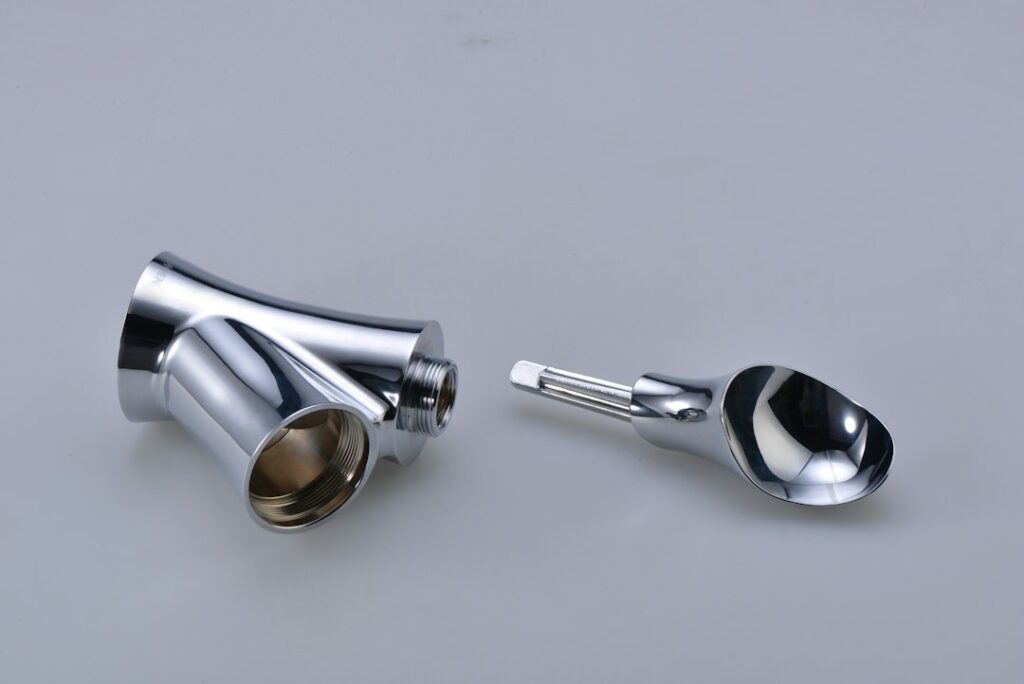
The instruments are usually made of metal or another firm material. Their shape allows the practitioner to vary pressure and feel changes in tissue texture while treating a specific area.
What does it feel like?
Most people describe the treatment as firm pressure, scraping, or a focused massage. It should not feel sharply painful. Mild tenderness during or after treatment can occur, particularly when an area is already irritated or sensitive.
Temporary skin changes may include:
- Mild redness
- Tenderness
- Small areas of bruising
- A sensation similar to muscle soreness after exercise
The amount of pressure should be adjusted to the person’s comfort, skin condition, injury history, and treatment goals. More pressure is not automatically more effective.
Why might a chiropractor use it?
The technique is generally intended to help address soft-tissue restrictions or movement limitations. A practitioner may consider it when muscle or connective-tissue sensitivity appears to be contributing to symptoms such as:
- Limited range of motion
- Muscle tightness
- Tendon irritation
- Stiffness after an injury
- Scar-related tissue restriction
- Discomfort associated with repetitive activity
For a resident who spends winter clearing snow, maintaining a home, commuting, or returning to outdoor activity in warmer months, symptoms may develop from sudden increases in lifting, walking, running, or yard work. In those situations, soft-tissue work may be considered as one part of a broader plan.
The technique should be directed at a clearly assessed problem rather than applied simply because an instrument is available.
Does it break up scar tissue?
The phrase “breaking up scar tissue” is commonly used to explain the treatment, but it can be misleading. Firm pressure does not literally erase scar tissue or mechanically dissolve adhesions in a simple, predictable way.
Soft tissues may respond to pressure, movement, and gradual loading through changes in pain sensitivity, circulation, muscle tone, and tolerance for motion. Scar tissue can mature and remodel over time, but the process depends on the original injury, healing stage, tissue type, and the person’s overall activity.
A more accurate description is that the technique may be used to influence how a person moves and tolerates pressure around a restricted or sensitive area.
Is there strong evidence that it works?
Research on instrument-assisted soft-tissue mobilization has produced mixed results. Some studies report short-term improvements in pain, flexibility, or movement when the technique is combined with exercise and other rehabilitation methods. Other reviews have found that the evidence is inconsistent, limited by small studies, different treatment methods, and difficulty separating the instrument’s effect from the benefits of exercise and hands-on care.
This means Graston Technique should be viewed as an optional treatment tool, not a guaranteed solution. Its usefulness may depend on the specific condition, the timing of treatment, and whether it helps the person resume appropriate movement.
Exercise, gradual strengthening, sleep, activity changes, and education often remain more important for lasting improvement than any single hands-on method.
How is a typical session performed?
A session commonly begins with questions about symptoms, activity, medical history, and changes in movement. The practitioner may examine posture, joint motion, muscle function, tenderness, and the way symptoms respond to specific movements.
If soft-tissue treatment appears appropriate, the area may be cleaned and a small amount of lubricant applied. The instrument is then moved over selected tissues using controlled strokes. Treatment may last only a few minutes for a particular region.
Afterward, the person may be given mobility exercises, strengthening work, walking guidance, or instructions about temporarily reducing aggravating activities. These recommendations help determine whether the treatment produced a useful change rather than simply creating temporary soreness.
Who should use caution or avoid it?
Instrument-assisted treatment is not appropriate for every person or every body area. A careful health history is especially important for people with:
- Blood-clotting disorders or unusual bleeding
- Use of anticoagulant or antiplatelet medication
- Open wounds, skin infections, or fragile skin
- A recent fracture or suspected fracture
- Severe swelling, unexplained warmth, or redness
- Known or suspected deep-vein thrombosis
- Active cancer in the treatment area
- Significant loss of sensation
- A recent surgery without clearance for manual treatment

A person with sudden severe pain, major weakness, progressive numbness, loss of bladder or bowel control, chest pain, or unexplained swelling needs medical evaluation rather than soft-tissue treatment.
Bruising is more likely in people who take blood-thinning medication or have a bleeding tendency. Medication should not be stopped to receive this type of care.
Can it be used for back or neck pain?
It may be used around the muscles and connective tissues associated with back or neck discomfort, but it does not diagnose the cause of pain. Back and neck symptoms can arise from muscle strain, joint irritation, disc-related problems, nerve involvement, inflammatory conditions, or other medical issues.
Treatment should be reconsidered if symptoms travel into an arm or leg, cause increasing numbness or weakness, follow a significant fall, or occur with fever, unexplained weight loss, or severe nighttime pain. These features may require a different form of assessment.
The instrument should also not be used aggressively over the front of the neck, directly over prominent bones, or across areas where important blood vessels, nerves, or other sensitive structures may be exposed.
What questions should a patient ask?
Before treatment, useful questions include:
- What specific finding is this intended to address?
- What other treatments will be used with it?
- How much soreness or bruising is expected?
- What symptoms would mean treatment should stop?
- What exercises or activity changes will follow?
- How will progress be measured?
- What alternatives are available if it does not help?
A reasonable treatment plan should have a clear purpose and a way to judge whether movement, comfort, strength, or daily function is improving.
For local residents managing seasonal chores, recreational activity, or physically demanding work, the most meaningful measure is usually not whether the skin looks red afterward. It is whether ordinary movements—such as bending, reaching, walking, lifting, or climbing stairs—become easier and remain improved over time.
The practical takeaway
The Graston Technique is a hands-on soft-tissue method that uses firm instruments to influence movement and sensitivity in selected tissues. It may provide short-term relief or help some people participate more comfortably in exercise, but it is not a cure-all and does not replace diagnosis, rehabilitation, or medical care when warning signs are present.
Its role is best judged by function: whether the person can move more comfortably, build strength gradually, and return to normal activities without repeated flare-ups.
