
 See Our Latest Article on HelloNation
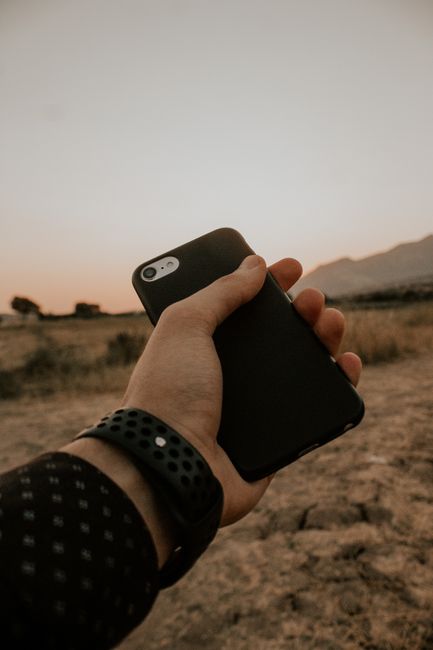
What does “texting thumb” usually mean?
“Texting thumb” is a casual term for thumb, hand, or wrist discomfort linked with repeated smartphone use. It is not a single medical diagnosis. In some cases, the irritation involves the tendons along the thumb side of the wrist, a condition commonly known as de Quervain’s tenosynovitis.
Repeated thumb movements, gripping a phone tightly, swiping for long periods, and holding the wrist in one position can aggravate these tissues. Other activities may add to the strain, including typing, gaming, gardening, lifting, knitting, cooking, and household work.
For residents of Beekman, symptoms may become more noticeable when phone use is combined with seasonal tasks such as clearing snow, carrying groceries, using tools, or wearing bulky gloves that make a device harder to hold.
What are the typical symptoms?
Pain on the thumb side of the wrist is the most recognizable symptom. The discomfort may spread a short distance up the forearm and often becomes worse when the thumb or wrist is used.
Other common signs include:
- Tenderness near the base of the thumb
- Swelling along the thumb side of the wrist
- Pain when gripping, pinching, twisting, or lifting
- Difficulty opening jars or turning a key
- A catching, clicking, or snapping feeling
- Reduced thumb movement or grip strength
- Aching after texting, scrolling, or gaming
A tired or cramped thumb after a long period of use may improve with rest. Pain that repeatedly returns, interferes with ordinary tasks, or continues even after reducing phone use deserves closer attention.
What should be done first?
The first step is to reduce the movements that reproduce the pain. This does not always require complete hand immobilization, but continuing to push through sharp or worsening discomfort can prolong irritation.
For several days, try the following:
- Use voice-to-text for longer messages.
- Switch hands when practical.
- Type with an index finger rather than repeatedly flexing the thumb.
- Keep the wrist in a neutral, fairly straight position.
- Avoid gripping the phone tightly.
- Take brief breaks before pain becomes noticeable.
- Reduce gaming, scrolling, and repetitive swiping while symptoms are active.
A useful approach is to divide phone use into shorter periods rather than one long session. During work, school, or evening activities, place the device on a surface when possible instead of holding it continuously.
How can phone position reduce strain?
Phone position affects how much force the thumb and wrist must produce. Holding a phone low in the lap often encourages the wrist to bend and the thumb to work across a wide distance. Raising the screen closer to eye level can reduce prolonged bending through the wrist and neck.
Helpful adjustments include:
- Support the phone with the fingers and palm instead of pinching it between the thumb and fingertips.
- Use both hands for reading or longer tasks, but avoid rapid two-thumb typing if it causes pain.
- Keep the thumb relaxed when scrolling.
- Use a larger text size to reduce repeated corrections and tapping.
- Use a stand or stable surface for video calls and extended reading.
- Alternate between touch controls and voice commands.
The goal is not to find a perfect posture that can be held all day. Frequent changes in position are usually more useful than rigidly maintaining one posture.
Can ice, heat, or a brace help?
Cold may help with recent soreness or swelling. A wrapped cold pack can be placed over the painful area for about 10 to 15 minutes, with a cloth between the pack and the skin. Allow the skin to return to normal temperature before repeating.
Heat may feel soothing when the hand is stiff but not swollen. If the area is visibly swollen, hot, or freshly irritated, heat may increase discomfort for some people.
A thumb-spica brace can limit motion at the thumb and wrist while irritated tissues settle. It should feel supportive rather than tight. Numbness, tingling, color changes, pressure marks, or increased pain are signs that it should be removed and reassessed.
A brace is not a substitute for identifying the activity that caused the problem. Wearing one while continuing hours of painful texting may provide only temporary relief.
Are stretches and exercises helpful?
Gentle movement can help prevent stiffness, but exercises should not create sharp pain. During an active flare, aggressive thumb stretching, forceful gripping, and repeated wrist-bending tests can make symptoms worse.
A reasonable starting point is slow, comfortable motion of the thumb and wrist within a pain-free range. Stop if symptoms increase during the exercise or remain worse afterward. Strengthening is generally more appropriate after daily pain has settled and normal movement is returning.
Avoid repeatedly performing the commonly known thumb-and-wrist self-test to “check” the condition. It can irritate the same tendons that are already sensitive.
What about pain medication?
Over-the-counter anti-inflammatory medicines or topical pain relievers may help some adults, but they are not appropriate for everyone. Stomach ulcers, kidney disease, blood-thinning medication, pregnancy, allergies, and certain heart or blood-pressure conditions can affect whether these medicines are safe.
A pharmacist or medical clinician can help determine which option, if any, fits a person’s health history. Medication should not be used to mask pain while continuing the activity that is causing it.
Could the problem be something other than texting thumb?
Yes. Thumb and wrist pain can also result from a sprain, arthritis, nerve irritation, trigger thumb, a small fracture, or another tendon problem. Numbness and tingling may point toward nerve involvement rather than a tendon condition.
An evaluation is especially appropriate after a fall or direct injury, or when there is:
- Significant swelling or bruising
- A visible deformity
- Loss of movement or grip strength
- Numbness, persistent tingling, or unusual coldness
- Redness, warmth, drainage, or fever
- Pain that is severe, rapidly worsening, or present at rest
If symptoms do not improve after a period of activity modification, a qualified healthcare provider can examine the hand and wrist and determine whether imaging or another treatment is needed. Chiropractic assessment may address contributing wrist, forearm, hand, or upper-body movement patterns, but persistent tendon pain still requires an accurate diagnosis and coordinated care when appropriate.
How can residents prevent repeat flare-ups?
Prevention depends more on changing the total pattern of use than on avoiding one message or one device. Rotate tasks when possible, take short breaks during long periods of typing or scrolling, and avoid using the same hand for every device-related activity.
During colder months, stiff hands and heavier outdoor tasks can add stress to the thumb and wrist. Warming the hands before demanding work, using comfortable tools, and avoiding forceful gripping when fatigued may help. After gardening, lifting, shoveling, or household repairs, pay attention to early aching rather than waiting for swelling or sharp pain.
A return to normal phone use should be gradual. Increase duration only when ordinary movements are comfortable, and reduce activity again if the pain begins to return.
