
 See Our Latest Article on HelloNation
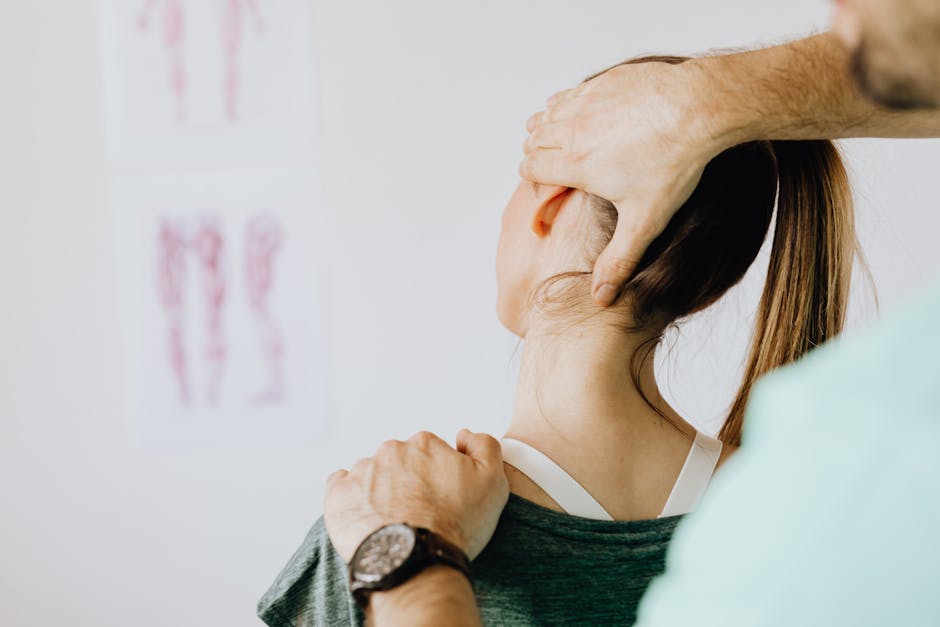
Living in Beekman, NY, many of us enjoy an active, outdoor lifestyle—whether it’s hiking in the Sylvan Lake area, gardening, or taking part in local community sports. Yet, with busy schedules and increasing screen time, people here often experience both jaw pain and stiffness or discomfort in their backs or necks. What many don’t realize is that these two complaints are often more connected than you might think.
Understanding the Jaw-Spinal Connection
The jaw, otherwise known as the temporomandibular joint (TMJ), is closely linked to the spine, especially the cervical (neck) region. The human body is a finely-tuned system, and tension or misalignment in one area frequently has ripple effects throughout the musculoskeletal structure—including in areas seemingly unrelated, like the jaw and spine.
How does this happen?
- The hinges of your jaw are located right near where your skull meets your spine.
- Muscles, ligaments, and nerves in the jaw area often run alongside and interact with those stabilizing the neck and upper back.
- Poor posture, common with office-based work or increased phone use, can stress both the jaw and neck, leading to referred pain and dysfunction.
Common Causes of Jaw Pain with Spinal Issues
In Beekman, the following factors are particularly relevant:
- Desktop & Remote Work: With many residents working from home, improper ergonomic setups are the norm, resulting in forward head posture and strained necks.
- Stress: The calm exterior of Dutchess County living can hide the fact that many people grit their teeth or clench their jaws during periods of stress. This is a common but underrecognized response to stress that directly impacts spinal alignment.
- Physical Activity: While being active is great, high-impact activities, or even simple accidents like slipping on an icy walkway, can misalign the spine or jaw.
How Jaw Issues Affect the Spine
Let’s explore the pathways from the jaw to the spine:
- Muscular Connections: Tight jaw muscles can pull on the muscles and connective tissue in the neck and upper back, resulting in pain, stiffness, or even headaches.
- Nerve Pathways: Irritation or inflammation around the TMJ area can affect nerves that also travel down the cervical spine.
- Postural Compensation: If you have jaw pain, you may unconsciously alter your posture to compensate, placing uneven pressures on your spine or shoulders.
Signs and Symptoms That May Indicate a Connection
Residents of Beekman who notice any of the following combinations should consider the jaw-spine relationship:
- Jaw clicking or popping, along with neck stiffness
- Recurring headaches centered around the temples or base of the skull
- Uneven wear on teeth, combined with chronic shoulder tension
- Migraines or facial pain that coincides with back discomfort
What Can Beekman Residents Do?
There are several steps you can take to address both jaw pain and spinal health, while enjoying what our beautiful town has to offer:
1. Optimize Your Workspace
Create an ergonomic workspace at home:
- Keep screens at eye level
- Use chairs that support the lower back
- Position keyboards and mice so shoulders stay relaxed
2. Take Breaks and Move
Every 30-60 minutes, take a quick walk around your home or yard, gently stretch your neck and shoulders, or open your jaw wide to relieve tension.
3. Mind Your Posture During Local Activities
Whether you’re kayaking on Sylvan Lake or walking your dog in the local parks, pay attention to your posture. Avoid holding rigid or awkward positions for long.
4. Stress Reduction
Practice stress-reducing techniques such as:
- Deep breathing exercises
- Mindfulness or meditation
- Local yoga classes, which are available throughout Beekman
5. Jaw Exercises and Self-Care
Try gentle jaw stretches or massages:
- Place your fingers on the sides of your jaw and gently massage in small circles
- Practice slow and controlled opening and closing of the mouth
- Avoid clenching by keeping lips closed and teeth slightly apart when not eating
When to Seek Professional Help
If you’ve made these changes and still experience ongoing discomfort, consulting a healthcare provider with expertise in both spinal and TMJ health is recommended. Chiropractors are well-trained in the musculoskeletal system and can evaluate alignment, provide treatments, and recommend at-home exercises. For chronic or severe issues, collaborative care with dentists or physical therapists may be beneficial.
The Chiropractic Approach
Chiropractors in Beekman use a holistic perspective in examining both the individual symptoms and the body’s interconnected systems. A typical evaluation may involve:
- Assessment of posture and jaw alignment
- Gentle spinal adjustments to improve nervous system function
- Soft tissue therapies to address muscle tension
- Collaboration with local dentists or physicians as needed
Bringing It All Together in Beekman
Living in Beekman, NY gives you access to great outdoor opportunities and a close-knit community, but modern lifestyles still carry risks for both jaw and spinal issues. By recognizing the connection between jaw pain and spinal health, you can take steps to protect your wellbeing—whether you’re working from home, hiking our local trails, or simply enjoying all the Hudson Valley has to offer.
For persistent pain or if you have questions about the chain reaction between the jaw and spine, consider reaching out to a local health provider who understands both the science and the unique needs of Beekman residents. Remember, addressing these issues sooner rather than later clears the way for a healthy, active life—right here in our beautiful town.
