
 See Our Latest Article on HelloNation
How Can Chiropractic Care Support Arthritis Management?
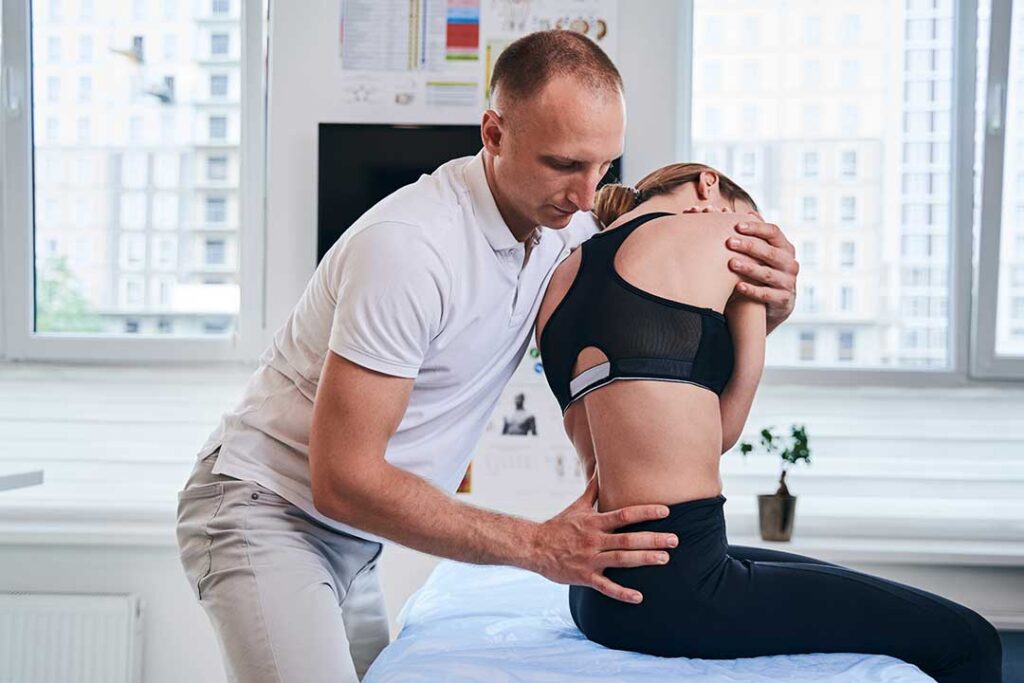
Chiropractic approaches can offer gentle, non-drug options for managing arthritis discomfort and stiffness. For many residents in Beekman, joint pain is a daily reality—especially during cooler, damp months that can aggravate symptoms. Chiropractic support is not a cure for arthritis, but it may help maintain mobility, reduce some pain, and improve comfort with tools like tailored exercise and safe manual adjustments.
These methods focus on improving joint function, balance, and flexibility rather than trying to reverse joint changes. Local residents typically seek chiropractic advice alongside other strategies recommended by physicians and rheumatologists.
What Types of Arthritis Respond Best to Chiropractic Approaches?
Arthritis comes in many forms, with osteoarthritis (OA) and rheumatoid arthritis (RA) being the most common. The usefulness of chiropractic care depends on which type is present and the degree of joint changes.
- For OA, chiropractic options like gentle mobilization, stretching, and targeted exercises may help maintain range of motion and reduce morning stiffness.
- With RA or other inflammatory joint diseases, care is much more conservative. Chiropractors may avoid hands-on adjustments in very inflamed or unstable joints, but can still provide advice on movement, safe home routines, and comfort strategies.
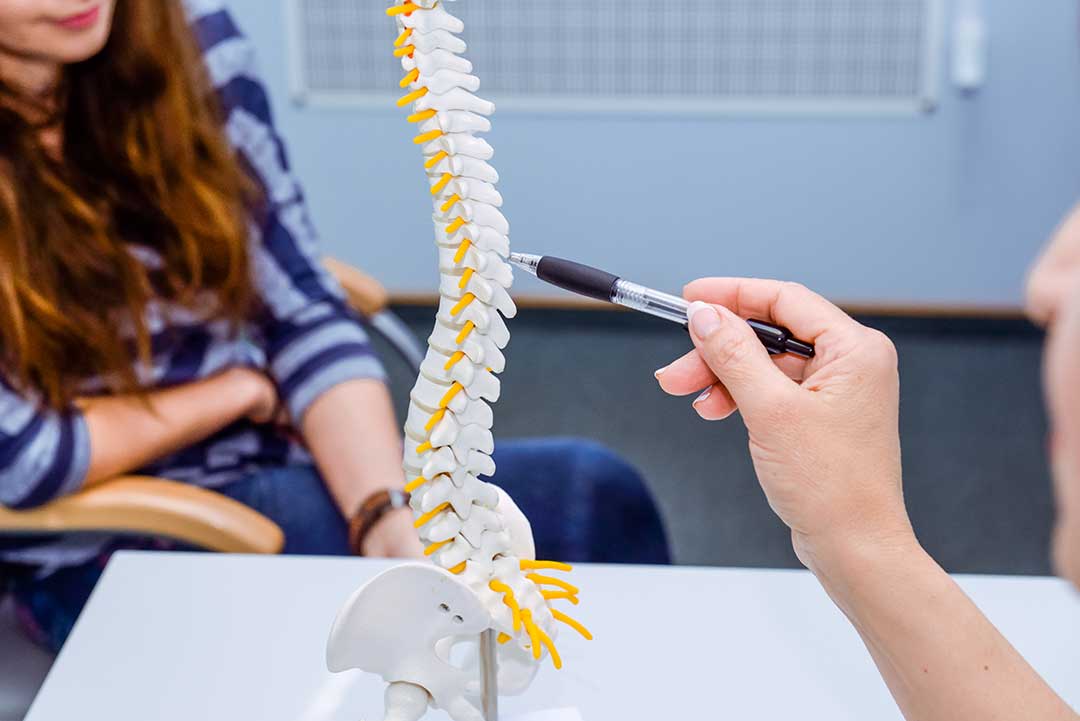
- Residents with spinal arthritis sometimes benefit from posture training and exercises aimed at stabilizing the lower back.
Before exploring any new approach for arthritis, it’s wise to clarify the exact diagnosis and discuss planned changes with a primary care provider.
What Chiropractic Strategies Address Joint Pain Safely?
Safety is crucial, especially for older adults or anyone with advanced joint changes. Chiropractors focus on methods that avoid excessive force and do not strain fragile joints. Common strategies include:
- Gentle mobilization to encourage joint movement
- Low-force adjustments (sometimes with instruments instead of hands)
- Soft tissue therapies such as muscle stretching or massage
- Recommendations for safe stretches and home exercises
Heat therapy—using warm packs on tight muscles—can offer temporary relief from stiffness, particularly during the chilly winters in the area. Cold therapy is used less often in arthritis care but may help soothe occasional flare-ups.
How Does Lifestyle Impact Arthritis Symptoms in Beekman?
In this community, seasonal changes and physical activity patterns can influence arthritis flares. Joint pain often worsens in colder, damp weather or after periods of inactivity.
- Maintaining regular movement, even simple daily walks during milder weather, helps joints stay limber
- Using supportive footwear can cushion joints when walking on uneven local terrain
- Adapting activities as needed—such as gardening with raised beds or cushioned knee pads during spring planting—can reduce joint stress
Many people overlook the impact of excessive rest; inactivity may actually stiffen joints more over time, so safe, small movements throughout the day are encouraged.
Are There At-Home Practices Recommended by Chiropractors?
Simple home habits can complement professional advice and relieve everyday aches.
- Gentle stretching morning and evening keeps muscles flexible
- Alternating sitting and standing reduces pressure on hip and knee joints
- Using a pillow to support knees or a rolled towel for lumbar support during rest can ease pressure on sensitive areas
- Applying warmth before activity can loosen joints, making movements less painful
For those with arthritis in the hands, squeezing a soft stress ball or gently moving fingers in warm water may help maintain dexterity.
What Are Common Misconceptions About Chiropractic Care and Arthritis?
Some community members worry that chiropractic care might "crack" or force arthritic joints, risking further damage. In reality, licensed practitioners use very gentle techniques with arthritis. Adjustments, when used, are far milder than those seen for other joint issues and are always adapted to each person's health and comfort level.
Another misconception is that chiropractic treatments can "cure" arthritis. Instead, the goal is to support daily function and comfort, not to reverse the underlying disease.
When Should Residents Be Cautious About Chiropractic Approaches?
Not all individuals with arthritis benefit from adjustments or manual therapies. Those with severe osteoporosis, joint replacements, or active joint infections need highly specialized or modified care. Local residents experiencing sudden new joint swelling, redness, fever, or unexplained rapid progression should seek medical guidance before considering any hands-on intervention.
Informed practitioners in Beekman prioritize safety by reviewing health histories and consulting with primary medical teams as needed.
How Can Community Members Build a Joint-Friendly Routine?
A joint-friendly lifestyle blends movement, self-care, and awareness of personal limits.
- Start with short, gentle activities and build up slowly to reduce pain risk
- Break up household chores into small tasks throughout the day
- Use supportive aids like walking poles, jar openers, or ergonomic kitchen tools to ease strain
The combination of safe chiropractic input and consistent at-home care routines can help area households stay as active and comfortable as possible through every season.
